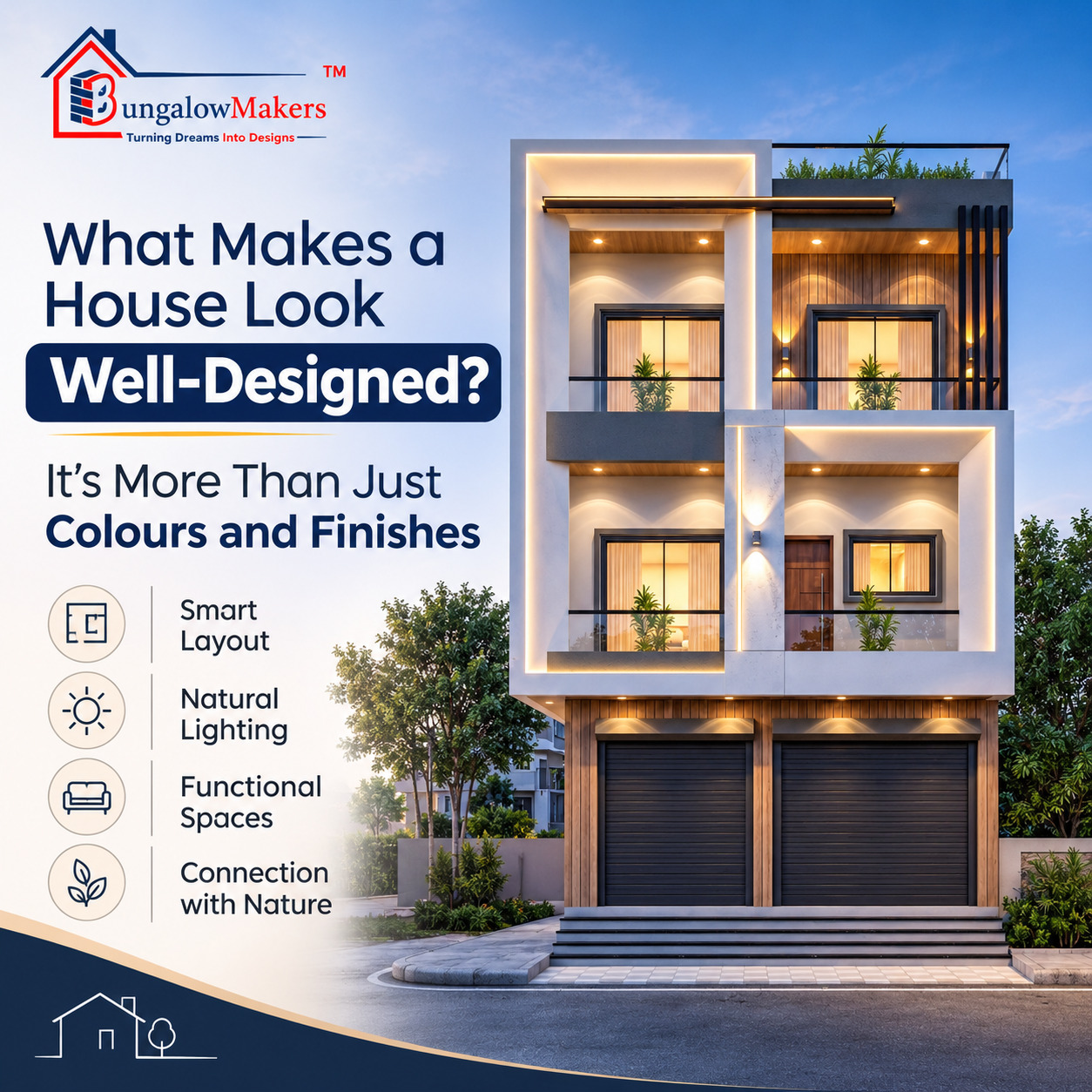
Have you ever seen a house whose entire exterior seems to be perfect from every perspective? The windows, balconies, door, colors, and even overall structure seem to be designed wonderfully. Surprisingly, however, houses with perfect designs do not have to be the most luxurious or decorated ones.
Good architectural design does not depend on the colors, quality of the materials used, or decoration alone. It is all about the proper planning of different architectural elements.
Starting from the room arrangement and ending with the appearance of the building itself, every detail matters in the designing process.
Therefore, what should be done to create a house with good architecture? What elements play a more significant role in creating good design than decoration does?
Before deciding on the colors to use on the outside of the house or the colors of the walls inside and other decorations, it is necessary to know what function the house will serve.
An efficient plan of the house takes into account the daily activity of the family, the size of space, privacy issues, lighting, and future needs of the house. It facilitates arrangement of various spaces within the house.
For instance, the living room may be placed near the entrance area to receive visitors easily. Likewise, bedrooms may be placed in secluded areas of the house for privacy.
The kitchen and the dining rooms must be conveniently connected. The circulatory spaces should also be well-designed to facilitate movement within the house.
One of the biggest differences between an ordinary-looking house and a well-designed one is proportion.
Imagine a house with very large windows, small balconies, and an entrance that feels too narrow for the overall structure. Even if expensive materials are used, something may still feel visually unbalanced.
Good architectural design considers the relationship between different elements.
The size of windows, height of walls, balcony dimensions, entrance width, and overall building proportions should complement one another.
A balanced design does not mean that every element needs to be identical. It means that different elements should work together without making the building look crowded or incomplete.
Sometimes, correcting a few proportions can improve the overall appearance more than adding several decorative features.
The outside appearance of a house should reflect what is happening inside it.
For example, if a bedroom has a balcony, its position should make sense in the exterior design. Large living room windows should be reflected in the front facade, while the entrance should have a clear and welcoming appearance.
This is where a carefully prepared floor design plan becomes important.
A floor plan helps determine the location of rooms, doors, windows, balconies, and other spaces. These decisions directly influence the building's exterior composition.
When the interior layout and exterior architecture are planned together, the house looks more complete and consistent.
The front of a house creates its first visual impression. However, a good facade is not simply about using modern materials or following the latest trends.
A thoughtful front elevation design brings together several architectural elements, such as:
Windows: Their size and placement influence both the appearance and natural lighting of the house.
Balconies: They add depth and create useful outdoor spaces.
Entrance: A clearly planned entrance gives the building a welcoming character.
Wall projections: These can create interesting shadows and add depth to an otherwise flat facade.
Roofline: The roof shape helps define the architectural character of the building.
The important thing is to make these elements feel connected rather than treating each one as a separate decorative feature.
A simple facade with good proportions can often look more attractive than a complicated design filled with unnecessary details.
Colors are very significant, but they should complement the building, not be the center of attention.
People often decide to use more colors to make their home unique. However, too much contrast in color is a bad thing, as it can give a confusing effect.
Instead of using a lot of colors, people should opt for a simpler solution.
They may use neutral colors like white, beige, cream or light gray. Some darker colors or natural material finish may be used as accents.
It also works in the interior. Color of walls, finish of furniture, flooring and ceiling decorations should create continuity of the house.
What is more important is that people should not save on colors at any price.
Materials used in houses affect the looks, feel, maintenance, and longevity of the structures.
Two houses with identical layouts can have entirely dissimilar appearances depending on the materials used in construction.
Some of the common exterior materials used include:
Natural stones to add texture and natural look.
Wood finish materials to add warmth.
Glass for an open feel.
Textured plaster for added texture.
Concrete finishes for simplicity in architectural design.
However, choosing materials simply because they appear beautiful in pictures may not necessarily be the best choice.
Weather conditions, exposure to sun, maintenance, and budget should also be taken into consideration.
A good choice of materials is the one that is both aesthetically pleasing and durable.
A house may seem attractive from the outside, but if it does not feature bright rooms and good ventilation, the design lacks something essential.
The presence of natural light creates a sense of spaciousness inside. Good windows will decrease the amount of artificial light needed during the day.
Ventilation is also crucial. Well-planned openings will facilitate better airflow within the house.
When designing a house, architects must think about sunlight, other buildings around, privacy, and weather conditions.
Even though some elements of a design are not apparent in an exterior photo, they significantly influence the comfort of living there.
Another way to enhance the visual appeal of a home is by incorporating lighting into the design.
During the day, natural light can show the textures, walls, and architectural elements. On the other hand, well-thought-out exterior lighting can be used to highlight the entrance, balconies, walkways, and some elements of the facade.
Too much lighting may create an unnecessary brightness on the exterior.
Therefore, the lighting should be properly done such that the important architectural elements are highlighted while ensuring there is enough visibility.
In the interior, a mix of natural light, general lighting, and task lighting can be employed.
Architecture trends come and go with time. Something that seems fashionable now could be considered outdated after several years.
That is one of the reasons why houses which are neat and well-designed tend to stay attractive for longer periods of time.
Good proportions, neat lines, rational layout, and wisely chosen materials will allow creating an exterior which will not rely on trends too much.
It does not mean, however, that all houses should be minimalistic and uninteresting. The house may have classical elements, modern elements, or both.
The point is that the design direction should be defined and excessive elements should be avoided.
Even small planning mistakes can affect the final appearance and functionality of a house.
Here are some common things homeowners should consider avoiding:
Copying designs without understanding the space: A facade that looks beautiful on another property may not suit your plot dimensions or building layout.
Ignoring the interior layout: Exterior features should be connected with the actual room arrangement and not added only for decoration.
Using too many materials: Combining several finishes without a clear design approach can make the building look crowded.
Choosing appearance over comfort: A beautiful house should also have proper ventilation, natural lighting, privacy, and practical movement spaces.
Ignoring future needs: Family requirements can change over time, so planning should consider flexibility wherever possible.
Discussing these factors during the initial design stage can help avoid unnecessary changes during construction.
An excellent building does not have to be one which uses the most expensive materials and finishes or one that has the most complicated exterior. It is one which has everything serving a particular purpose for the whole building.
Excellent architecture stems from proper planning, proportioning, proper choice of materials, and knowledge of the way people interact with their space.
Certainly, colours and finishes enhance the beauty of any structure, but this can happen effectively when the structure has already been properly designed.
At Bungalow Makers, we understand that such knowledge about architecture allows homeowners to make better-informed decisions when planning for their living spaces since any home must look good in pictures and be functional at the same time.
A house looks well-designed when its layout, proportions, windows, balconies, materials, colours, and lighting work together. Both appearance and functionality are important.
Planning helps organise spaces according to daily needs. It also helps consider natural lighting, ventilation, privacy, movement, and future requirements before construction begins.
Focus on balanced proportions, simple colours, clean architectural lines, and a limited number of suitable materials. A well-planned exterior does not always require expensive finishes.
Yes. The placement of rooms, windows, balconies, and entrances influences the overall exterior composition. A coordinated floor plan and elevation create a more balanced design.
Neutral colours such as white, cream, beige, and grey are commonly used. They can be combined with darker shades or natural textures to create visual interest.
Trends can provide inspiration, but the design should match your preferences, plot, climate, budget, and lifestyle. Practical and timeless design decisions are often more valuable in the long run.
Unlock the Secrets of Perfect Floor Plans
and Inspiring Interior Designs!
Bungalow Makers: Embark on a journey of excellence in Commercial and Residential 3D Elevation and Interior Designs. Read more...
 India
 +917880088716
 Whatsapp


